A Damaged Skin Barrier: How to Spot It and Repair It
In short
- The giveaway sign: your skin stings the moment you apply anything.
- The cause is almost always too much skincare, not too little.
- The protocol: three products, nothing else, for three to four weeks.
- Ceramides, panthenol and centella asiatica are the repair actives.
It feels as though your skin turned sensitive overnight. It reddens at the slightest change in temperature, stings when you apply a product it tolerated perfectly well a month ago, and stays tight despite the moisturiser.
In the vast majority of cases your skin type hasn't changed. Your skin barrier is damaged. And unlike skin that's sensitive from birth, this can be repaired.
What the skin barrier is
Picture a brick wall. The bricks are the dead cells at the surface, and the mortar holding them together is a mix of ceramides, cholesterol and fatty acids.
That mortar has two jobs: stopping water from escaping, and stopping irritants from getting in. When it's depleted, water leaks out and everything you apply penetrates too deeply, too fast. Hence the stinging and the permanent dehydration.
The signs that give it away
Several of these together and the diagnosis is fairly safe.
It stings. A perfectly plain product — a basic moisturiser, thermal water — causes tingling. This is the most reliable sign of all.
The skin is shiny and tight at the same time. Contradictory on the face of it: it produces sebum to compensate for the water it's losing.
Diffuse redness, especially on the cheeks and around the nose, that doesn't match any spot.
A rough texture to the touch, small flakes, a dull complexion.
Your products stop doing anything. You apply your usual cream and two hours later the skin feels tight again.
Why it happened
Almost always through excess good intentions. The most common causes, in order:
Too much exfoliation. Acids every day, or regular grainy scrubs. This is the number one cause, by a long way.
A retinal introduced too quickly. Every evening from the first week, instead of twice a week.
Cleansers that strip too much, used twice a day, with hot water.
Too many actives at once. Vitamin C in the morning, acid at night, retinal in rotation: the skin can't keep up.
On top of that come factors you have less control over: cold weather, indoor heating, hard water, a long stretch of poor sleep.
The repair protocol
It fits in one sentence: you take everything away except three things.
A very gentle cleanser, evenings only, with lukewarm water. In the morning, plain water. No exceptions for three weeks.
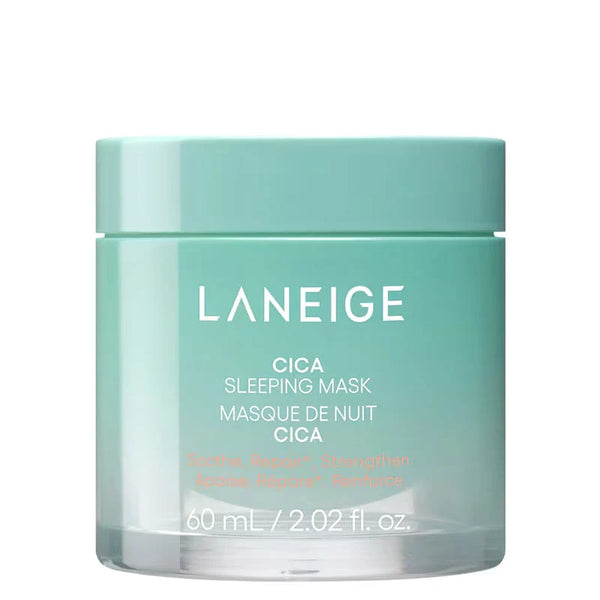
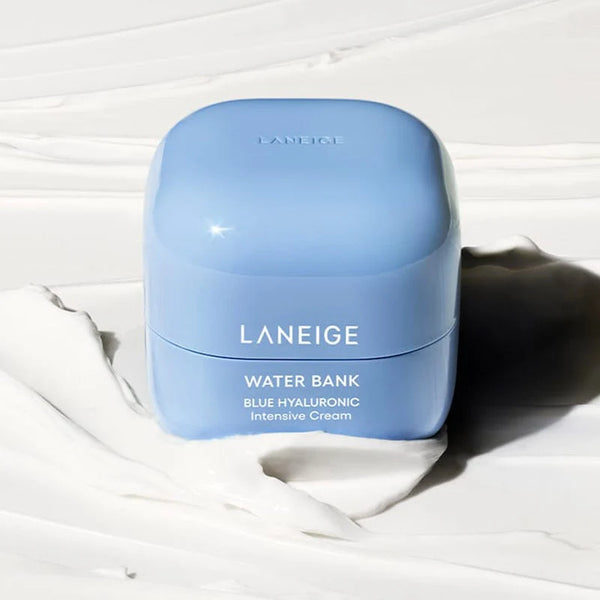
A repairing moisturiser rich in ceramides, panthenol or centella asiatica. Those are the three actives that rebuild the mortar between the cells. Morning and evening, on still-damp skin. See the soothing products and the repairing creams.
A sunscreen, mineral or very gentle, every morning. A damaged barrier can no longer defend itself against UV.
And that's it. No acid, no retinal, no vitamin C, no scrub, no foaming cleanser. Nothing else.
What to cut out completely
Every exfoliant, chemical and physical alike. Retinal and its derivatives. High-strength vitamin C. Fragranced products, essential oils included. Denatured alcohol high up the INCI list. Micellar waters left on without rinsing, which leave surfactants sitting on the skin.
How long it takes
Days 1 to 3: the stinging eases. That's the first encouraging sign.
Week 1: redness fades, the skin feels less tight.
Weeks 2 to 3: texture evens out, hydration holds all day.
Week 4: you can reintroduce one active, and only one. Twice a week to begin with, keeping an eye on things.
If you bring everything back at once in week four, you'll be right back where you started. That's where most people fail.
How to avoid a relapse
An exfoliant twice a week at most, never more, even when the skin is doing well.
One strong active in a routine. If you're committed to retinal, it replaces the acid — it isn't added to it.
And one simple rule: at the first unusual sting, go back to the three-product routine for a week. Caught early, a weakened barrier repairs itself in a few days.
When to see a professional
If nothing improves after four weeks of a minimal routine, or if you have flaking patches, weeping areas or cracks, this is probably no longer a simple damaged barrier. Dermatitis, eczema or rosacea need medical treatment. Book an appointment with a dermatologist.
For products suited to fragile skin, see our sensitive skin range, or take the skin diagnostic for a tailored routine.